Slow Juicer: Unlock the Full Nutritional Potential of Your Produce
What Is a Slow Juicer?
A slow juicer, also commonly called a masticating juicer or cold press juicer, is a kitchen appliance that extracts juice from fruits and vegetables using a slow-turning auger that crushes and presses produce rather than shredding it at high speed. Unlike traditional centrifugal juicers that spin blades at 1,500 to 2,500 revolutions per minute, slow juicers operate at speeds typically between 43 and 115 RPM.
The term "masticating" means "chewing"—and that is precisely what these machines do. Produce is loaded into the feed chute, and an auger slowly grinds the ingredients into a fibrous pulp against a fine screen. The juice is pressed through the screen while the pulp is expelled separately.
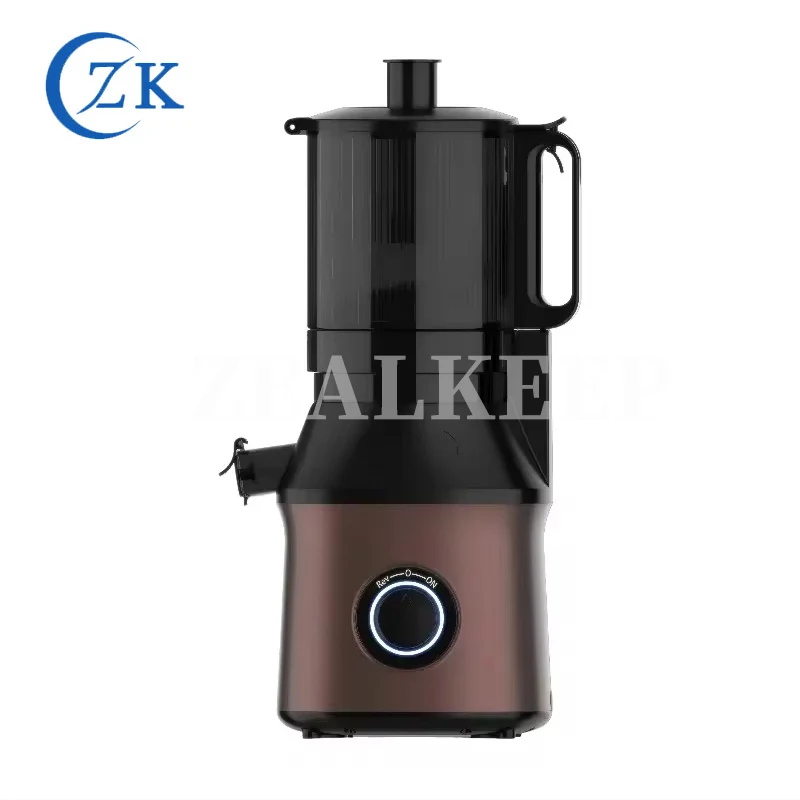
How Slow Juicers Work
The operating principle of a slow juicer is fundamentally different from that of a centrifugal juicer. Here is a side-by-side comparison:
| Feature | Slow Juicer (Masticating) | Centrifugal Juicer (Fast) |
|---|---|---|
| Speed | 43–115 RPM | 1,500–2,500+ RPM |
| Mechanism | Crushes and presses with auger | Shreds with spinning blade, uses centrifugal force to separate juice |
| Heat Generation | Minimal; juice stays cool | Friction generates heat |
| Oxidation | Less oxidation, juice stays fresh longer | More oxidation due to high-speed mixing with air |
| Noise Level | Quiet operation | Noisy |
| Price Range | $100–$700+ | $49–$500 |
| Best For | Leafy greens, soft fruits, wheatgrass, nuts | Hard fruits and vegetables like apples and carrots |
The slow, deliberate crushing action of a masticating juicer minimizes heat buildup and limits oxidation, which helps preserve the natural nutrients, enzymes, and flavor of the juice.
Key Benefits of Using a Slow Juicer
Better Nutrient Retention
Because slow juicers operate at low speeds, they generate very little heat. Heat can destroy sensitive vitamins such as folate and vitamin C. The gentle pressing process also limits oxidation, which helps maintain the nutritional integrity of the juice.
Higher Juice Yield
Slow juicers extract more juice from produce, especially from leafy greens like kale and spinach, wheatgrass, and fibrous vegetables. The pulp that remains is typically bone-dry, meaning minimal waste.
Longer Shelf Life
Juice made with a slow juicer can be stored in the refrigerator for up to 72 hours without significant deterioration in taste or quality. By contrast, juice from a centrifugal juicer tends to separate and develop off-flavors after 24 to 48 hours.
Quieter Operation
The low-speed motor of a slow juicer produces significantly less noise than high-speed centrifugal models, making it suitable for early morning use without disturbing others.
Versatility
Beyond juicing fruits and vegetables, many slow juicers can also handle:
Leafy greens and wheatgrassNuts for making nut milks and butters
Soybeans for soy milk and tofu
Frozen fruits for sorbet and frozen desserts
What to Consider Before Buying
Preparation Time
Slow juicers typically have narrow feed chutes, requiring you to cut fruits and vegetables into small pieces before juicing. This adds preparation time compared to centrifugal models with wide chutes that can accommodate whole apples.
Cleaning
While slow juicers generally have fewer and smaller parts than centrifugal models, they still require prompt cleaning after use to prevent pulp from drying and sticking. Many models come with specialized cleaning brushes, and some offer dishwasher-safe components.
Price
Slow juicers are more expensive than centrifugal juicers. Entry-level models start around $100, while premium models can exceed $700. However, the higher yield and nutrient preservation can justify the investment for regular users.
Continuous Running Time
Many slow juicers have a recommended maximum continuous running time of 10 to 30 minutes, after which the motor should be allowed to cool.
Specifications at a Glance
| Model | Speed | Power | Weight | Capacity | Key Feature |
|---|---|---|---|---|---|
| Kuvings Slow Juicer | 80 RPM | 240 W | 7 kg | 400 ml | Smart Cap anti-drip design |
| Hurom HR Series | 43 RPM | 150 W | Varies | 500 ml | Near-silent AC motor |
| VEVOR Slow Masticating | 85–115 RPM | 150 W | 3.4 kg | 650 ml | Reverse function for clearing clogs |
Slow Juicer vs. Blender: A Quick Clarification
A slow juicer and a blender serve different purposes:
-
A slow juicer extracts liquid from produce and separates the pulp, resulting in a smooth, pulp-free juice.
-
A blender pulverizes whole fruits and vegetables, retaining all fiber and solids to create smoothies or soups.
If you want a drink with concentrated nutrients and a smooth texture, choose a slow juicer. If you want a fiber-rich meal replacement, choose a blender.
Final Verdict: Is a Slow Juicer Right for You?
A slow juicer is the ideal choice if you:
-
Regularly juice leafy greens, wheatgrass, or soft fruits
-
Value maximum nutrient retention and juice quality
-
Prefer quiet operation
-
Plan to store juice for up to a few days
-
Are willing to invest in a higher-priced appliance
If speed and convenience are your top priorities, or if you primarily juice hard fruits like apples and carrots, a centrifugal juicer may be sufficient. However, for those committed to a healthy juicing lifestyle, the slow juicer delivers superior results in nutrition, yield, and taste.